
Decaf EN
Experience specialty coffee without caffeine. Roasted in Copenhagen using Swiss Water Process for maximum flavor and minimal chemistry.
Key Takeaways
- Decaf coffee contains only 0.1% caffeine – approximately 2-3 mg per cup
- Swiss Water Process preserves coffee's natural flavor notes without chemicals
- You can brew decaf the same way as regular coffee
- Freshly roasted decaf beans taste significantly better than supermarket options
- Our decaf coffee is roasted to order and shipped within 48 hours
1. What Is Decaf Coffee?
Decaf coffee is regular coffee beans with the caffeine removed before roasting.
The process removes 97-99% of the caffeine. A cup of decaf typically contains 2-3 mg caffeine, compared to 80-100 mg in regular coffee.
This means you can enjoy coffee without nervousness, sleep problems, or heart palpitations.
0.1%
Caffeine content
99%
Caffeine removed
2-3 mg
Caffeine per cup
Many people think decaf coffee tastes bad. Maybe it did in the 1980s.
But with modern methods like Swiss Water Process, the coffee's natural flavor notes are preserved. The result is coffee that tastes as it should – just without the caffeine.
2. Swiss Water Process – The Best Method
Not all decaf coffees are created equal.
Most producers use chemical solvents like methylene chloride or ethyl acetate. These remove caffeine effectively, but also much of the flavor.
We exclusively use Swiss Water Process.
It's a 100% chemical-free method that uses only water, temperature, and time to remove caffeine.
-
Beans are soaked
Green coffee beans are placed in hot water. Both caffeine and flavor compounds begin to dissolve.
-
Water is filtered
The water passes through a carbon filter that only captures caffeine molecules. The flavor stays in the water.
-
Beans are refreshed
The same water – now without caffeine but still with flavor – is used to treat the next batch of beans.
-
Process is repeated
After 8-10 hours, 99.9% of the caffeine is gone while the flavor is preserved.
Good to Know
Swiss Water Process was developed in the 1980s in British Columbia, Canada. Today it's the gold standard for premium decaf coffee.
3. Our Decaf Coffee: Chevere
We have one goal with our decaf range: to show that decaf can taste fantastic.
Chevere comes from Colombia and is processed using Swiss Water Process.
Chevere Decaf
Colombian single-origin without caffeine
Origin
Colombia
Process
Swiss Water
Altitude
1,600-1,800 m
Variety
Caturra, Castillo
Tasting notes
155.00 kr.incl. VAT
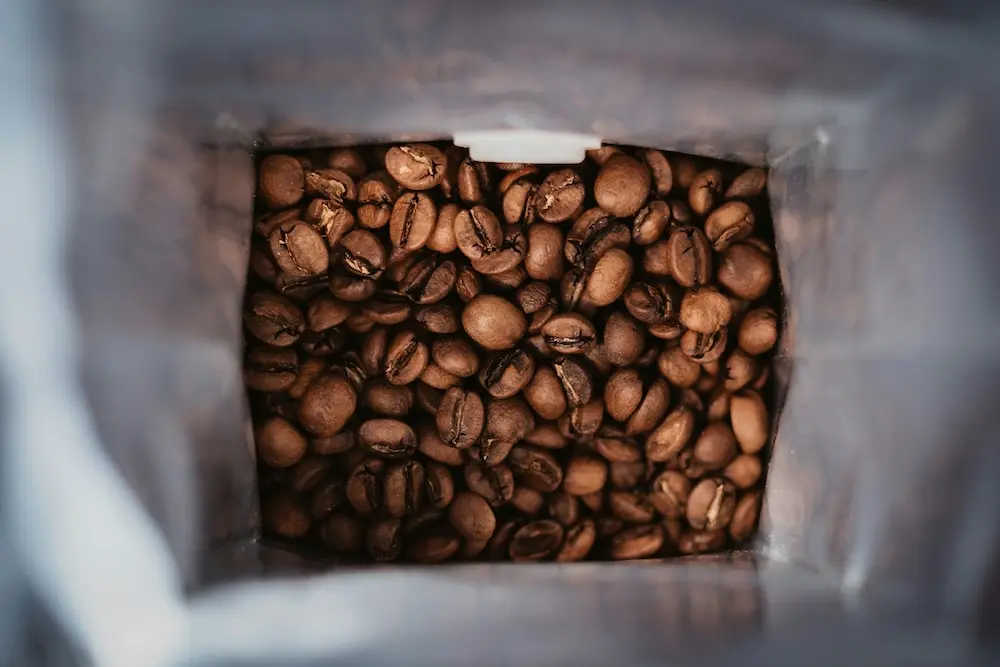
Chevere is balanced and round with medium body. You get notes of hazelnut, dark chocolate, and a light caramel sweetness.
It works perfectly both as espresso and filter coffee. Browse our full coffee beans selection here.
4. How to Brew Decaf Coffee
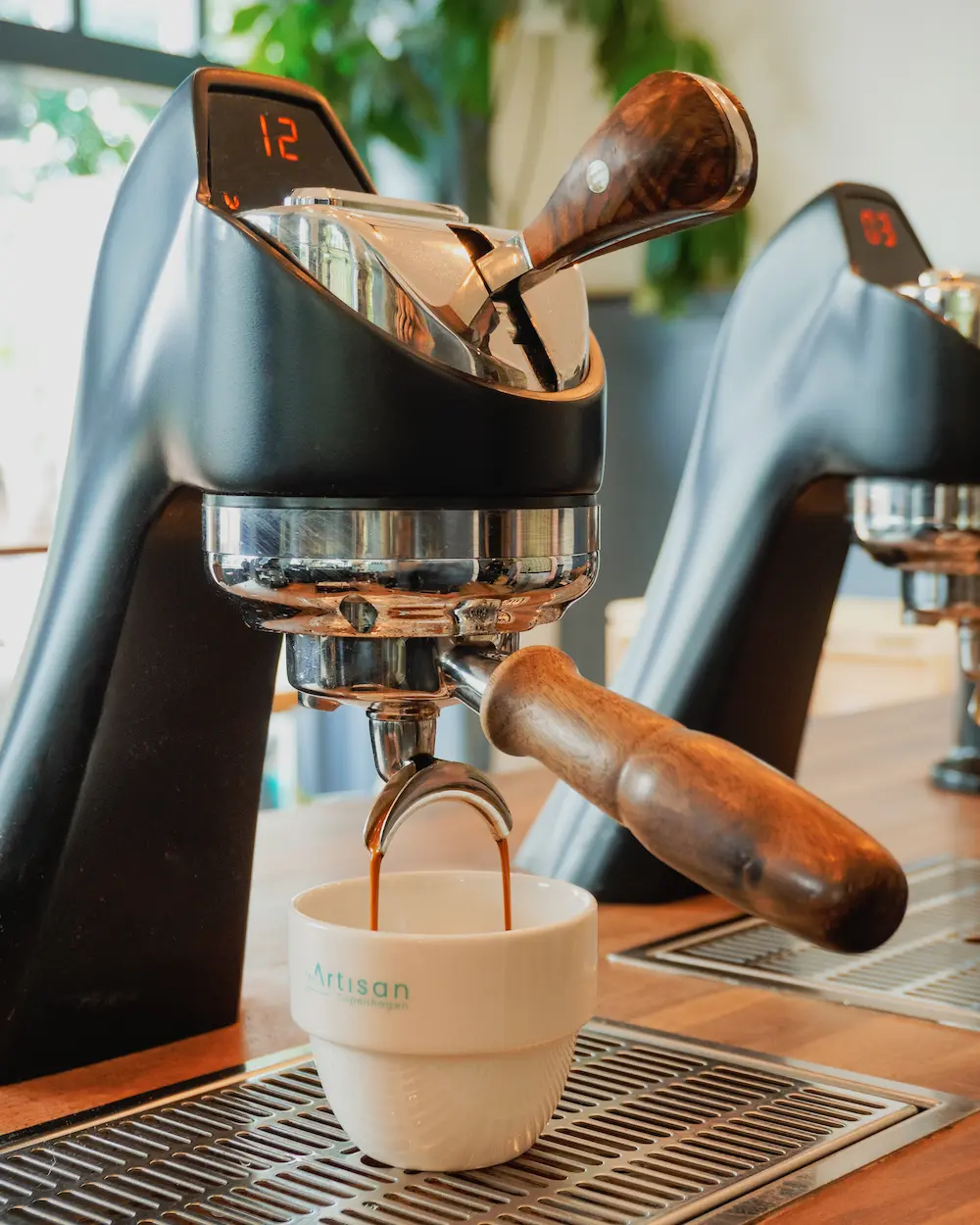
Decaf beans are brewed exactly like regular coffee.
The same rules apply: fresh beans, correct grind, good water, and precise temperature.
Espresso
Recommended for Chevere Decaf
Espresso
Fine
Grind
1:2
Ratio
93°C
Temperature
25-30 sec
Time
Use 18g coffee for 36g espresso. Tamp with medium pressure and aim for 25-30 seconds extraction.
Filter Coffee
Recommended for Chevere Decaf
Pour Over
Medium
Grind
1:16
Ratio
94°C
Temperature
3-4 min
Time
Use 15g coffee for 240ml water. Bloom for 30 seconds, then circular pouring until total time is 3-4 minutes.
Tip
Decaf beans have slightly lower density after decaffeination. This means they extract a bit faster. Try a slightly coarser grind if the coffee becomes bitter.
5. Who Should Drink Decaf Coffee?
Decaf coffee isn't just for pregnant women and elderly people.
Here are situations where decaf makes sense:
- You love the taste of coffee but get heart palpitations from caffeine
- You want coffee after 3 PM without ruining your sleep
- You're pregnant or breastfeeding and need to limit caffeine
- You have anxiety or stress and caffeine makes it worse
- You want to drink 4-5 cups a day without side effects
- You take medication that doesn't work well with caffeine
Many people drink decaf in the afternoon and evening. This way they can enjoy coffee all day without affecting their sleep.
M
Marie K.
Customer since 2024
"I couldn't believe it was decaf the first time I tasted Chevere. The flavor is just as good as my regular morning coffee, but I can drink it at 8 PM without problems."
6. The Difference Between Fresh Roasted and Supermarket Decaf
Supermarket decaf coffee has one problem: it's too old.
Most packages have been sitting in storage for 6-12 months before they reach your coffee machine.
Decaf beans become stale especially quickly. The decaffeination process opens the cells, making them more sensitive to oxygen and moisture.
| Property | Supermarket | The Artisan |
|---|---|---|
| Roast date | 6-12 months old | Max 14 days old |
| Decaffeination | Chemical process | Swiss Water Process |
| Bean quality | Bulk blend | Single-origin specialty |
| Taste | Flat, bitter | Nuanced, sweet |
| Price per 250g | 40-60 kr. | 155 kr. |
Our decaf coffee is roasted to order. This means you receive beans that are max 3-14 days old. With a coffee subscription you always get freshly roasted beans delivered on time.
The difference in taste is enormous.
7. How to Keep Your Decaf Beans Fresh Longest
Decaf beans must be stored correctly to preserve flavor.
Here are the three biggest enemies:
- Oxygen – oxidizes the fats in the beans
- Moisture – breaks down cell structure
- Light – accelerates chemical reactions
-
Use an airtight container
Store beans in a coffee container with valve or in our original bag. Always seal tightly after use.
-
Keep them dark and cool
Place them in a cupboard away from stove and window. Room temperature is fine – the freezer is unnecessary.
-
Only grind what you need
Ground beans become stale 10 times faster. Always grind immediately before brewing.
Warning
Never store coffee beans in the refrigerator. Condensation from temperature changes damages the beans more than it helps.
With correct storage, freshly roasted decaf beans last 4-6 weeks after roasting.
8. Frequently Asked Questions
Can decaf coffee keep me awake?
No, not in practice. A cup of decaf contains 2-3 mg caffeine, compared to 80-100 mg in regular coffee. That's equivalent to the amount of caffeine in half a chocolate bar. Most people notice no effect.
Does decaf coffee taste bad?
Maybe 30 years ago. But modern Swiss Water Process preserves the coffee's natural flavor notes almost completely. Our customers can rarely taste the difference between Chevere Decaf and our regular single-origin coffees.
Is decaf coffee healthier than regular coffee?
Not necessarily. Regular coffee has documented health benefits like improved focus and antioxidants. But if caffeine gives you side effects, decaf is the better solution. Both versions contain the same antioxidants.
How is caffeine removed from coffee beans?
There are four methods: Swiss Water Process (water), CO2 method (carbon dioxide), methylene chloride (chemical), and ethyl acetate (chemical). We only use Swiss Water because it's 100% chemical-free and preserves the most flavor.
Can pregnant women drink decaf coffee?
Yes. Health authorities recommend max 200 mg caffeine per day during pregnancy. Since a cup of decaf only contains 2-3 mg, pregnant women can safely drink 10-20 cups daily without reaching the limit. Most pregnant women choose decaf to avoid caffeine entirely.
How long do decaf beans last?
Freshly roasted decaf beans last optimally for 3-4 weeks after roasting. After 6-8 weeks the flavor starts to flatten out. Supermarket decaf is often already 6-12 months old when you buy it.
Transparency: This page contains links to our own products. We only recommend coffee we roast ourselves and trust.
Was this guide helpful?

Sources
- Swiss Water Decaffeinated Coffee Company – "The Swiss Water Process" (2025)
- FDA – "Caffeine and Pregnancy" (2024)
- Specialty Coffee Association – "Decaffeination Methods and Quality" (2024)
- National Coffee Association USA – "How Decaf Coffee is Made" (2025)