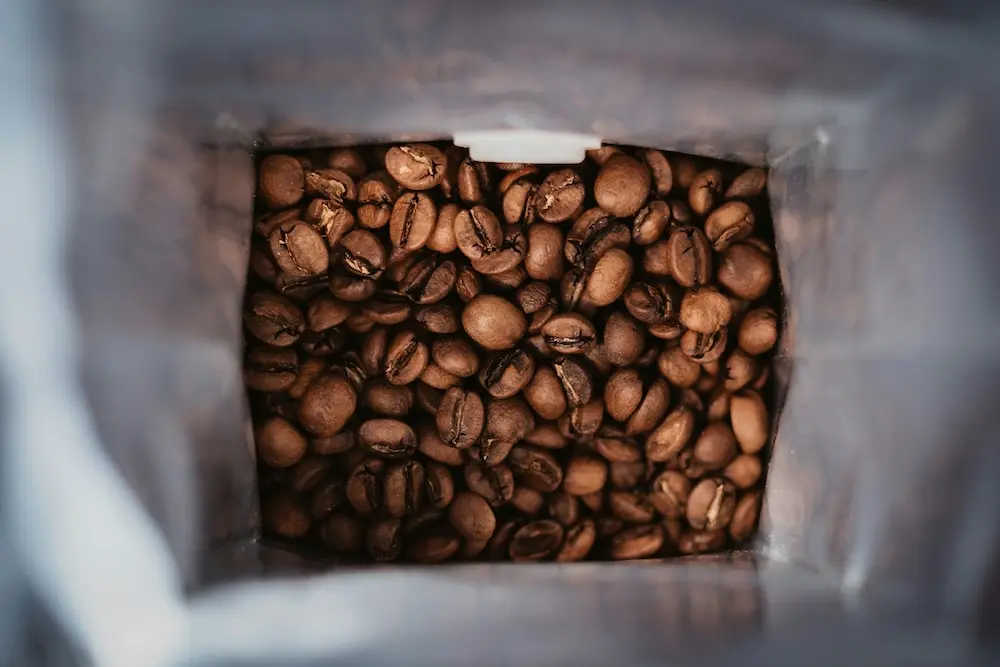

Single Origin Coffee
Freshly roasted specialty coffee from individual farms – traceable quality from farm to cup
Key Takeaways
- Single origin coffee comes from one specific farm or region – not a blend
- You can taste the terroir: soil, climate and processing method
- Higher traceability gives you a direct connection to the coffee farmer
- Seasonal availability ensures top quality at the right time
- The Artisan only delivers coffee from verified farms in Peru, Colombia and Ethiopia
Ingen produkter fundet.
What is single origin coffee?
Single origin coffee means the beans come from one specific place. It can be a single farm, a cooperative or a specific region in one country.
Unlike blends – where beans from several countries are mixed – single origin lets you taste the unique character of that particular growing site.
100%
Traceable to farm
1,200-2,100m
Growing altitude
80+
SCA score
3-14 days
From roast to you
Good to know
The Specialty Coffee Association (SCA) defines single origin coffee as coffee that can be traced back to one producer, one farm or one harvest. All our single origin coffees score at least 80 points on the SCA scale and are therefore classified as specialty coffee.
When you buy coffee beans from The Artisan, you always get detailed information about farm name, geographic origin, coffee varietal, processing method and tasting notes.
Benefits of single origin coffee
Single origin coffee offers experiences that blends can't match. Each cup tells the story of a specific place – the soil, the climate, the farmer and the processing method.
| Attribute | Single Origin | Blend |
|---|---|---|
| Traceability | 100% – down to specific farm | Limited – multiple origins |
| Flavor | Unique, complex, distinct terroir | Balanced, consistent, stable |
| Season | Seasonal – best at harvest | Available year-round |
| Variation | Changes between harvests | Consistent flavor year after year |
| Best for | Filter coffee, pour over | Espresso, milk-based drinks |

The Artisan
Coffee roastery, Copenhagen
"Single origin coffee lets you explore coffee geography the same way as wine. Our DA Natural from Peru tasted completely different from our Ethiopian coffees – even though both are exceptional. It's about finding your personal favorite terroir."
Single origin vs blend – which should you choose?
Both single origin and blends have their place. The choice depends on what you're looking for in your coffee experience.
Choose single origin if you:
- Want to explore specific regions' characteristics
- Enjoy varied flavor experiences
- Value traceability and transparency
- Brew filter coffee, pour over or AeroPress
- Are curious about terroir and processing methods
Choose blend if you:
- Prefer a consistent flavor every day
- Primarily make espresso or caffe latte
- Want a balanced cup without extreme notes
- Want coffee available year-round
- Are looking for good value for money
Tip
At The Artisan we recommend starting with single origin coffee for filter methods like pour over or French press. That's where the unique flavor nuances come through best. For espresso you can try both – some single origins give fantastic espresso shots with distinct character.
How do you choose the right single origin?
With so many single origin coffees to choose from it can feel overwhelming. Here's our guide to finding your perfect cup.
-
Start with the region
Each coffee region has its own flavor profile. African coffees (Ethiopia, Kenya) are typically light and fruity with floral aromas. South and Central American coffees (Colombia, Peru) are often balanced with chocolate and nuts.
-
Consider the processing method
Washed coffee gives clean, clear flavor profiles with pronounced acidity. Natural coffee has fruity sweetness and body. Honey-processed coffees sit in between. Anaerobic fermentation creates complex, wild aromas.
-
Match with your brewing method
Pour over and filter coffee work with all single origins. Espresso often needs coffees with enough body and lower acidity. French press brings out body.
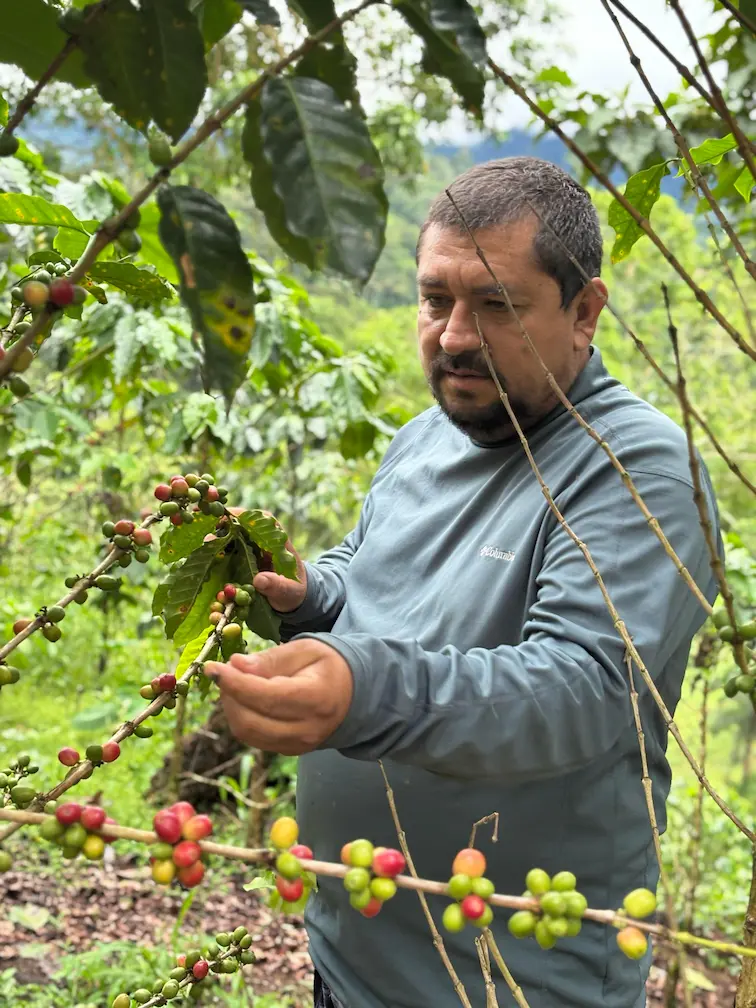
Single origin coffee from Peru
Peru is at the heart of The Artisan's single origin range. We work directly with Dionicio Aguilar – a coffee farmer who has revolutionized processing through anaerobic fermentation.

Good to know
Anaerobic fermentation means the coffee beans ferment in sealed tanks without oxygen. This method creates unique, complex aromas like tropical fruit, flowers and wine-like notes. Dionicio Aguilar is a pioneer of this technique in Peru.
Our Peruvian single origins include DA Washed (Anaerobic), CS Washed (Anaerobic), CS Honey (Anaerobic) and DA Natural (Anaerobic). All score 85+ points on the SCA scale.
Why is single origin coffee more expensive?
Single origin coffee often costs more than blends. The price difference reflects quality, traceability and sustainability.
Small farms can't produce the same volume as large plantations. Hand-picking, specialized processing and higher quality control cost more. Farmers get better pay through direct trade. At The Artisan single origin coffee typically costs 85-120 kr. per 250g.
"When you pay for single origin coffee, you're not just investing in better flavor. You're supporting a farmer who cares for their land, pays their workers properly and spends time perfecting each harvest."
— The Artisan, Coffee roastery
Frequently asked questions about single origin
What does single origin coffee mean?
Single origin coffee means the beans come from one specific geographic place – typically a single farm, cooperative or region in one country. It's the opposite of blends where beans from several countries are mixed together. Single origin lets you taste the unique terroir of that particular growing site.
Is single origin coffee better than blends?
Single origin isn't necessarily better – just different. Single origin highlights unique characteristics from one place and gives you traceability. Blends offer balance and consistency. Choose single origin if you want to explore regional differences. Choose blend if you want a stable, familiar flavor every day.
Why does single origin coffee cost more?
Single origin coffee is more expensive because it comes from small farms with limited production, is hand-picked, processed with specialized methods and has higher quality control. Farmers also get better pay through direct trade. You're paying for traceability, quality and sustainability – not just for the beans.
Can you make espresso with single origin?
Yes! Many single origin coffees work fantastically as espresso. Choose coffees with enough body and lower acidity. Our DA Washed and CS Honey from Peru give exceptional espresso shots with distinct character. Traditionally blends are used for espresso, but single origin espresso is very popular in specialty coffee.
How long does single origin coffee stay fresh?
Single origin coffee tastes best 3-14 days after roasting and stays fresh for up to 4 weeks in airtight packaging. We deliver our coffee with 3-12 days of rest so you get optimal flavor. Store the beans airtight at room temperature away from light and moisture. Grind only right before brewing.