
Green Coffee Beans for Home Roasting
Interested in roasting your own coffee? We can help you access raw beans from our selected farmers.

Key Takeaways
- Green coffee beans are raw, unroasted beans that give you full control over the roast level
- We offer the opportunity to purchase green beans from our farmers for home roasters
- Professional roasters can contact us about importing green beans from around the world
- Green beans last longer than roasted beans when stored correctly
- Home roasting requires basic equipment but is easier than most people think
What are green coffee beans?
Green coffee beans are coffee in its natural state before roasting. When coffee cherries are picked from the tree, the fruit flesh is removed. What remains is the small seed we call the coffee bean.
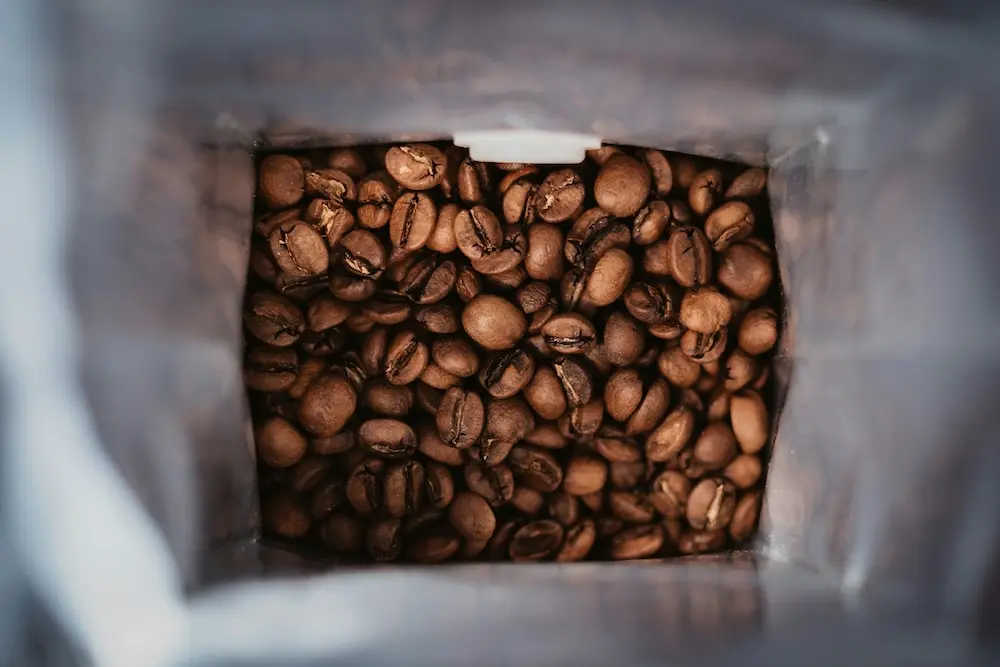
This seed has a greenish-grey color. It retains this color until it's roasted.
Only during roasting does the bean develop the characteristic brown color and aromatic oils that give coffee its flavor.
Green beans have minimal flavor and aroma in their raw state. They must always be roasted before use.
Benefits of buying green coffee beans
There are several good reasons to choose green beans over pre-roasted coffee.
12+ months
Shelf life for green beans
2-4 weeks
Shelf life after roasting
100%
Control over roast level
Longer shelf life is the biggest advantage. Green beans can be stored for up to 12 months without losing quality.
Roasted beans start losing flavor after 2-4 weeks. Ground coffee only lasts a few days.
With green beans, you roast exactly the amount you need. You always get the freshest coffee possible.
You also get full control over the roast level. Light roasting gives more acidity and fruity notes. Dark roasting gives more body and chocolate-like tones.
Tip
Start with small batches when experimenting with home roasting. 100-200 grams at a time gives you better control and the opportunity to try different roast levels.
From coffee cherry to green bean
Green coffee beans go through an extensive process before they reach you.
-
Harvest
Coffee cherries are picked when ripe and red. On quality farms like our partners in Peru, this happens through hand-picking to ensure only ripe cherries are harvested.
-
Processing
The fruit flesh is removed through either washing (washed) or drying (natural). The method significantly affects the bean's later flavor.
-
Drying
Beans are dried to a moisture content of 10-12%. This typically happens on drying beds in the sun over 1-3 weeks.
-
Hulling
The final layer of parchment is mechanically removed. Now the bean appears in its green form.
-
Sorting
Beans are sorted by size and quality. Defective beans are removed manually or mechanically.
-
Packing and transport
Beans are packed in jute bags of 60-70 kg and sent to importers worldwide.
How to get started with home roasting
You don't need expensive equipment to get started. Many people begin with simple methods.
| Method | Difficulty | Cost | Result |
|---|---|---|---|
| Oven | Easy | 0 kr. (you already have it) | Uneven but usable |
| Frying pan | Medium | 0-300 kr. | Good control, requires practice |
| Popcorn maker | Easy | 200-500 kr. | Even roasting, small batches |
| Coffee roaster | Easy-medium | 2,000-15,000 kr. | Professional quality |
Step-by-step: Roast in the oven
-
Preheat the oven
Set the oven to 225°C (437°F). Don't use convection as it blows the chaff around.
-
Spread the beans
Place beans in a single layer on a baking sheet. Don't use parchment paper or oil.
-
Roast with attention
Beans should roast for 12-20 minutes depending on desired roast level. Listen for the first "crack" after about 8-10 minutes.
-
Monitor the color
Carefully open the oven and check the color. Light brown = light roast. Medium brown = medium roast. Dark brown = dark roast.
-
Cool quickly
Remove the beans and pour them into a colander. Shake them around until cooled. This stops the roasting.
-
Let them rest
Roasted beans should rest for at least 12 hours before use. This gives time to degas carbon dioxide.
Warning
Coffee roasting produces smoke. Ensure good ventilation or roast outdoors. Chaff can also be flammable if it accumulates in the oven.
How to store green beans
Proper storage is crucial for maintaining quality. See our guide to proper coffee storage.
Green beans should be stored airtight, in the dark, and at a constant temperature around 15°C (59°F).
Avoid refrigerators and freezers. Temperature fluctuations damage the beans.
Keep beans away from strong odors. They easily absorb smells from their surroundings.
Tip
Use an airtight container made of glass or plastic. Jute bags are not airtight and shouldn't be used for longer-term home storage.
For professional roasters and coffee businesses
Are you a roaster or running a coffee business? We can help you import green coffee beans.
The Artisan has built strong relationships with coffee farmers worldwide over the years. We know not only our Peruvian partners but also have contacts in several other coffee-producing countries.
We can facilitate imports of green beans in both small and large quantities. Our network covers:
- Peru – Our primary partner farms in the Huánuco region
- Colombia – Contacts in Huila, Nariño, and Antioquia
- Ethiopia – Direct imports from Sidamo, Yirgacheffe, and Guji
- Kenya – AA and AB grade from cooperative partners
- Costa Rica – Micro-lots from specialized farmers
- Brazil – Naturals and pulped naturals from Minas Gerais
We handle the entire process from farmer contact, quality control, transport, and customs clearance.
Our focus is on traceability and direct trade. We only work with farmers we know personally and can guarantee fair prices to them.
Can I brew coffee directly from green beans?
No, green coffee beans must always be roasted before they can be used for brewing. Raw beans have minimal flavor and would produce a very unpleasant cup of coffee. Roasting is essential to develop the aromatic oils and flavor components we associate with coffee.
How long do green coffee beans last?
Green coffee beans last 12-18 months when stored properly in an airtight container at around 15°C (59°F). After the first year, volatile aromas begin to fade. For best quality, we recommend using beans within the first year after harvest.
What equipment do I need for home roasting?
You can start simply with a regular oven or frying pan. Many people also use popcorn makers with good success. If you want to invest more seriously in the hobby, dedicated coffee roasters are available from 2,000 kr. and up. Start simple and invest in more equipment if the hobby sticks.
How do I know when the beans are done roasting?
Listen for the first "crack" which occurs at around 195-205°C (383-401°F). This marks the beginning of light roast. Second crack at 220-225°C (428-437°F) marks dark roast. Color is also a good indicator - from light brown (light) to almost black (very dark). Experience is the best teacher.
Can you sell me green beans as a private individual?
Yes, we have the opportunity to sell smaller quantities of green beans to dedicated home roasters. Contact us at [email protected] so we can discuss availability and quantities. We typically sell from 1 kg and up.
What difference does the processing method make?
Washed process typically produces cleaner, more acidic coffees with clear flavor nuances. Natural (dry) process gives more body, sweetness, and fruity notes. Honey process lies between the two. The method has a major influence on the final flavor.