
Light Roasted Coffee
Experience coffee's original character with fruity and floral notes – freshly roasted in Copenhagen
Key Takeaways
- Light roasted coffee preserves the beans' natural flavor nuances with fruity and floral notes
- Roasted at 180-205°C to highlight citrus, berry, and floral aromas
- Perfect for filter coffee, pour over, and other slow extraction methods
- Higher acidity and lighter body compared to medium or dark roasted coffee
- All our light roasted coffees are delivered freshly roasted with free shipping over 320 kr.
Kaffe
Om kaffen
Pris
- Ristning: Light
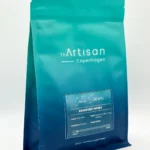
Original price was: kr. 165,00.kr. 155,00Current price is: kr. 155,00.
- Ristning: Dark, Light, Medium
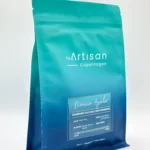
- Ristning: Light
Coffee subscription
Coffee subscription: 2x 250g delivered right to your door step every month. Roast dates you will receive: Bag...
kr. 260,00 / month
- Ristning: Light
- Coffee subscription: 2x 250g delivered right to your door step every month. Roast dates you will receive: Bag 1: 12 days rest time Bag 2: 3 days rest time Free shipping!
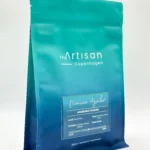
- Ristning: Dark, Light, Medium
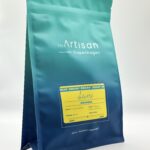
- Ristning: Dark, Light, Medium
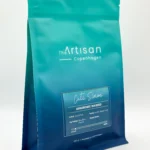
- Ristning: Dark, Light, Medium
What is light roasted coffee?
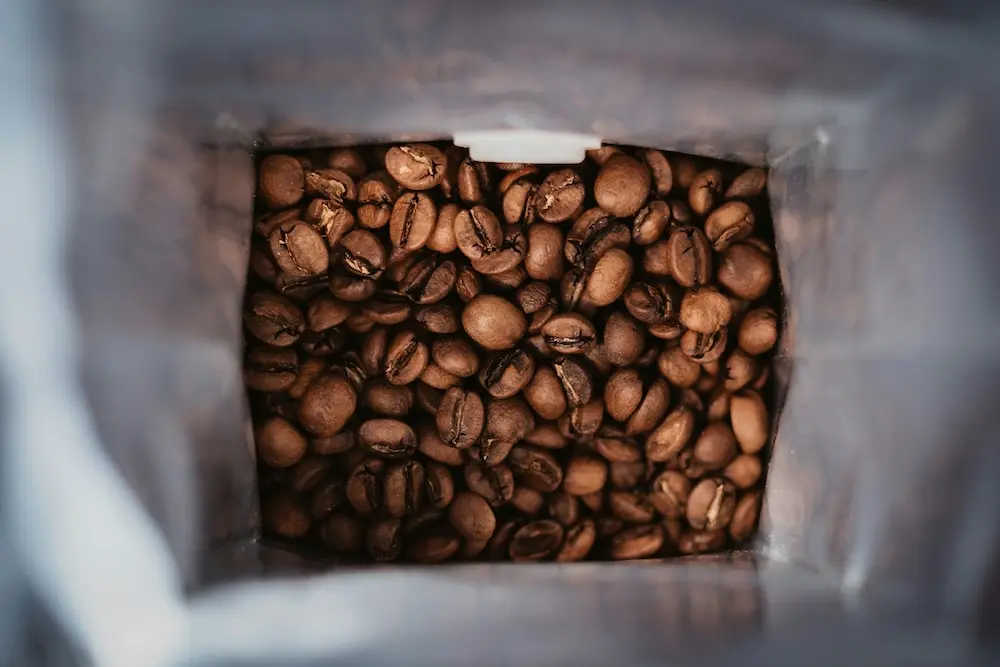
Light roasted coffee consists of coffee beans roasted at 180-205°C until the first crack. The short roasting process preserves the beans' natural flavor compounds and gives the coffee its characteristic fresh profile.
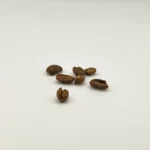
The color of light roasted beans ranges from light to medium brown. You can see that the beans still have their silver skin – the thin layer sitting in the bean's crack. This layer disappears with darker roasts.
The roasting process stops precisely when the inner aromas are released, but before caramelization takes over. This allows you to taste the coffee's country of origin and terroir.
Flavor profile and characteristics
Light roasted coffee stands out with its bright and complex flavor profile. Here's what you can expect:
4-5
Acidity (out of 5)
2-3
Body (out of 5)
180-205
Degrees Celsius
3-5
Min. to first crack
Typical tasting notes
Most light roasted coffees feature notes of:
- Citrus fruits: Orange, grapefruit, bergamot, lemon
- Berries: Strawberry, raspberry, blueberry, blackcurrant
- Flowers: Jasmine, roses, hibiscus, lavender
- Sweetness: Honey, cane sugar, peach
Good to know
Light roasted coffee has a higher caffeine content than dark roasted coffee. During roasting, caffeine molecules break down, so the shorter the roast, the more caffeine. However, the difference is minimal – around 5-10%.
Best brewing methods for light roasted coffee
Light roasted coffee works best with slow extraction methods. These allow time to extract the delicate aromas without emphasizing bitterness.
Pour over (V60, Chemex)
Pour over is the perfect method for light roasted coffee. It gives you full control and highlights the fruitiness.
-
Grind the coffee medium-fine
Slightly coarser than salt. Too fine grinding creates bitter taste, too coarse creates thin coffee.
-
Use 15-18 grams coffee per 250 ml water
Ratio 1:15 to 1:17 works best. Start with 1:16 and adjust to taste.
-
Water temperature 92-96°C
Not boiling water. Let the kettle sit for 30 seconds after boiling point.
-
Bloom for 30-45 seconds
Pour twice as much water as coffee amount. Wait while CO2 releases.
-
Pour in circular motions
Use gooseneck kettle. Total brew time 2.5-3.5 minutes.
Filter coffee (coffee maker)
A good filter coffee maker also delivers excellent results with light roasted coffee.
Use the same ratio as pour over: 7 grams coffee per 125 ml water. Grind medium-fine. Rinse the filter with hot water first to remove paper taste.
Aeropress
Aeropress produces a cleaner cup than French press. Perfect when you want concentrated flavor without bitterness.
Use the inverted method with 2 minutes steeping time. Water temperature 85-90°C for light roasted coffee.
Warning
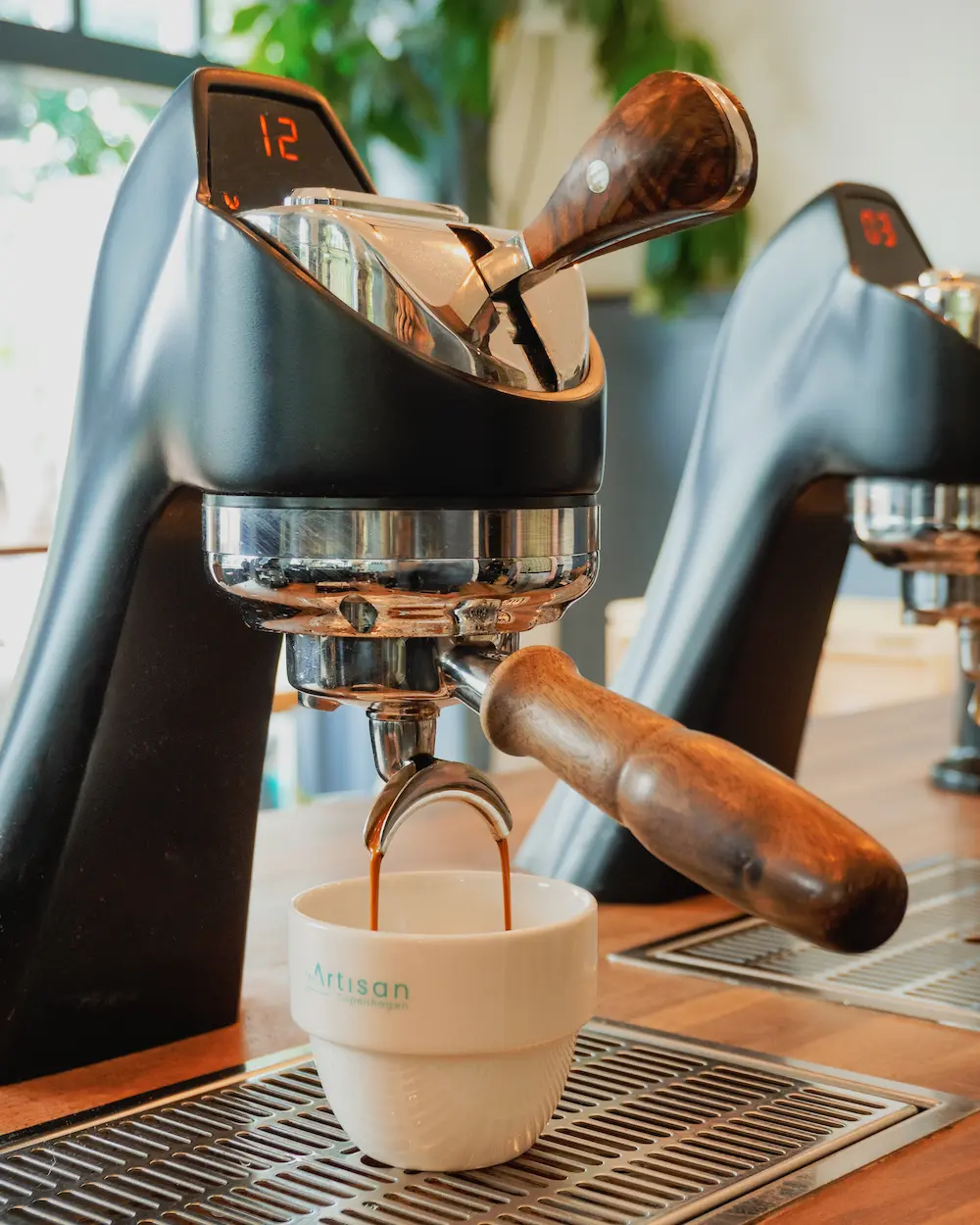
Light roasted coffee can become unpleasantly sour in espresso machines. The high acidity becomes too dominant with high-pressure extraction. Use medium or dark roasted coffee for espresso.
The difference between light, medium, and dark roasted
The roast level fundamentally affects the coffee's flavor. Here are the key differences:
| Characteristic | Light Roasted | Medium Roasted | Dark Roasted |
|---|---|---|---|
| Temperature | 180-205°C | 210-220°C | 225-245°C |
| Color | Light to medium brown | Medium to dark brown | Very dark, oily surface |
| Acidity | High (4-5 out of 5) | Medium (3 out of 5) | Low (1-2 out of 5) |
| Body | Light and delicate | Medium and round | Full and bold |
| Primary notes | Fruit, citrus, flowers | Chocolate, nuts, caramel | Smoke, spices, dark chocolate |
| Best for | Pour over, filter coffee | Universally applicable | Espresso, milk-based drinks |
| Caffeine content | Highest | Medium | Lowest |
Choose light roasted if you want a complex flavor profile where the beans' origin comes through clearly. Choose medium roasted for balance between sweetness and acidity. Choose dark roasted if you prefer bold, full-bodied coffee with low acidity.
Which coffee regions are best for light roasting?
Not all coffee beans are suitable for light roasting. The beans must have natural complexity and good acid structure.
Ethiopia
Ethiopia is called the cradle of coffee. Beans from Yirgacheffe and Sidamo have natural floral notes of jasmine and bergamot. Perfect for light roasting.
Kenya
Kenyan coffee has strong fruitiness with notes of blackcurrant and berries. The high growing altitude (1,400-2,100 meters) provides sharp acidity and complexity.
Colombia and Peru
Latin American coffee from higher areas has good balance. Notes of citrus, cane sugar, and peach come through clearly with light roasting.
Tanzania
Tanzanian coffee resembles Kenyan but is slightly softer. Floral aromas and fruity sweetness.

The Artisan
Coffee roastery, Copenhagen
"We always choose beans with natural complexity for light roasting. The coffee's terroir must be able to shine through without the roast dominating. This requires top-quality raw materials."
Tip
Single origin coffees work best for light roasting. Blends can be difficult to roast light because different beans have different optimal roast profiles.
How to store light roasted coffee
Light roasted coffee is more sensitive than darker roasts. Light beans contain fewer oils on the surface, but the delicate aromas disappear more quickly.
-
Use airtight container
Store in a container with a tight-fitting lid. Coffee bags with valves also work well.
-
Keep away from light and heat
Store in kitchen cabinet or drawer. Not on the counter by the window or near the stove.
-
Use within 2-4 weeks
Light roasted coffee tastes best 3-21 days after roasting. Use it within 4 weeks for optimal flavor.
-
Grind only what you need
Grind just before brewing. Ground coffee loses aromas within 15 minutes.
Don't freeze coffee beans. Moisture from thawing damages the flavor. Don't refrigerate either – condensation and foreign odors negatively affect the coffee. With our coffee subscription you always get freshly roasted beans delivered on schedule.
Frequently asked questions about light roasted coffee
What is the difference between light and medium roasted coffee?
Light roasted coffee is roasted at 180-205°C and has higher acidity and lighter body. The flavor profile is fruity and floral. Medium roasted coffee is roasted at 210-220°C and has more balance between acidity and sweetness with notes of chocolate and caramel. Light roasted highlights the beans' origin, medium roasted provides rounder flavor.
Is light roasted coffee stronger than dark roasted?
Light roasted coffee has slightly higher caffeine content because the roasting process breaks down caffeine molecules. However, the difference is minimal (5-10%). Flavor-wise, dark roasted coffee is perceived as stronger due to its full body and intense taste, but light roasted actually contains the most caffeine.
Which brewing method is best for light roasted coffee?
Pour over methods like V60 and Chemex are best for light roasted coffee. Filter coffee makers also work well. Slow extraction methods allow time to extract the delicate aromas. Avoid espresso machines for light roasted coffee – the acidity becomes too dominant with high-pressure extraction.
How long does light roasted coffee last?
Light roasted coffee tastes best 3-21 days after roasting. Use it within 4 weeks for optimal flavor. Store in an airtight container away from light and heat. Don't freeze the beans. Grind only what you need – ground coffee loses aromas within 15 minutes.
Can you make espresso with light roasted coffee?
Yes, but it's not recommended. Light roasted coffee often becomes unpleasantly sour in espresso machines because high-pressure extraction emphasizes the acidity. Some specialty coffee bars serve light roasted espresso, but it requires precise technique. Choose medium or dark roasted coffee for espresso for better balance.
Why does light roasted coffee taste sour?
High acidity is normal for light roasted coffee. The acidity comes from organic acids in the coffee bean such as citric, malic, and tartaric acid. These are preserved during short roasting and provide the fresh, lively taste. If the coffee tastes unpleasantly sour, it may be too light roasting, incorrect brewing technique, or old beans.