


Filter coffee
Everything you need to know about brewing perfect filter coffee - dosing, technique, and tips
Key Takeaways
- The golden ratio for filter coffee is 60 grams coffee per liter of water (1:16.7)
- Water temperature should be between 92-96°C for optimal extraction
- Freshly ground coffee tastes 3-5 times better than pre-ground coffee
- Filter material affects flavor - paper filters give cleaner taste than metal
- Brew time should be 4-6 minutes for most drip coffee machines
1. What is filter coffee?
Filter coffee is coffee brewed by pouring hot water over ground coffee through a filter. The method separates coffee grounds from the finished brew and produces a clean, clear cup.
Filter coffee is one of the most popular brewing methods worldwide. It is simple, reliable, and highlights the natural flavor notes of coffee without adding oils or sediment.
Good to know
Filter coffee is also called "drip coffee" or "pour over coffee". The method was invented in Germany in the early 1900s by Melitta Bentz.
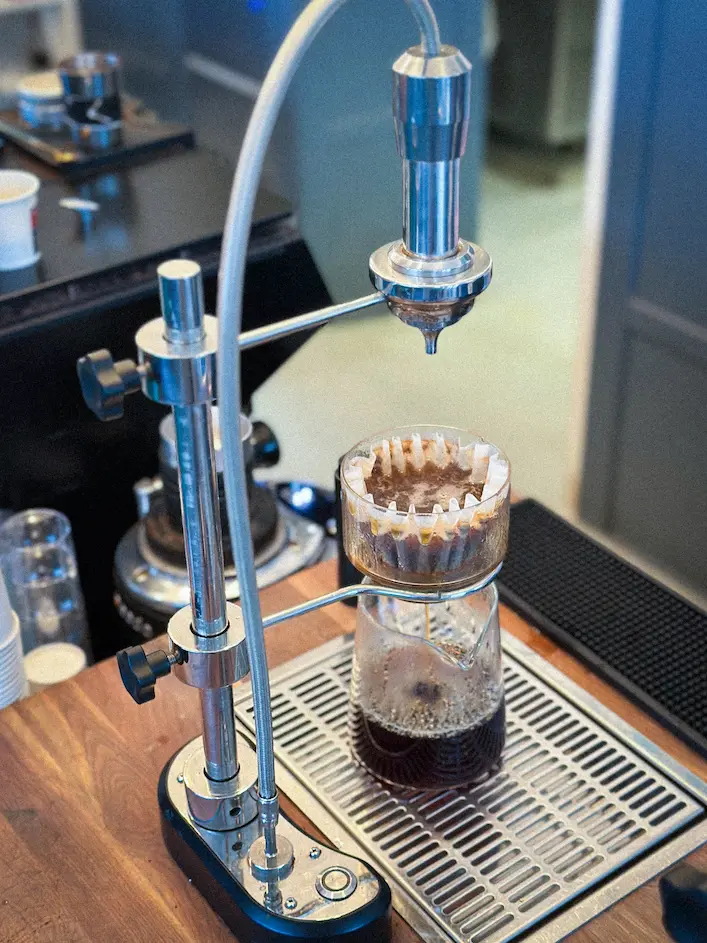
Filter coffee has a lighter body than espresso and highlights the coffee's fruitiness, acidity, and complexity. This makes it perfect for experiencing the unique characteristics of special beans.
2. Dosing and ratio - how much coffee should you use?
Dosing is the key to consistent and good filter coffee. The golden standard is 60 grams of coffee per liter of water, which equals a ratio of 1:16.7.
60g
Coffee per liter
1:16.7
Coffee-water ratio
10g
Per standard cup (170ml)
Dosing table
| Number of cups | Water (ml) | Coffee (grams) | Coffee (tbsp.) |
|---|---|---|---|
| 1 cup | 170 ml | 10g | 2 tbsp. |
| 2 cups | 340 ml | 20g | 4 tbsp. |
| 4 cups | 680 ml | 40g | 8 tbsp. |
| 6 cups | 1000 ml | 60g | 12 tbsp. |
| 8 cups | 1360 ml | 80g | 16 tbsp. |
Tip
Invest in a precision scale to measure coffee. Spoons are imprecise, and even small deviations can significantly affect flavor. A good coffee scale costs only $15-25.
Adjust strength
The recommended ratio gives a balanced cup. If you prefer stronger or weaker coffee, you can adjust:
- Stronger coffee: Use 65-70g per liter (ratio 1:14 to 1:15)
- Weaker coffee: Use 50-55g per liter (ratio 1:18 to 1:20)
Avoid going below 50g per liter, as it produces thin and watery coffee. Over 70g can make the flavor bitter and overpowering.
3. Water temperature - the optimal range
Water temperature is crucial for correct extraction of flavor from coffee beans. Too hot water gives bitter taste, too cold water gives sour and underdeveloped flavor.
92-96°C
Optimal temperature
93-94°C
Recommended for light roast
95-96°C
Recommended for dark roast
Why temperature matters
Hot water extracts flavor components faster and more efficiently. It affects the balance between sweetness, acidity, and bitterness in the finished cup.
- Below 90°C: Under-extraction - sour, flat, weak flavor
- 92-96°C: Optimal extraction - balanced, sweet, complex
- Above 97°C: Over-extraction - bitter, burnt, metallic taste
Warning
Many cheap drip coffee makers don't reach 92°C. This is one reason they make poor coffee. Check your machine's temperature stability before purchase.
Manual control
If you're brewing manually with pour over, you can control temperature precisely:
-
Boil the water
Bring water up to boiling point (100°C).
-
Let it cool
Wait 30-45 seconds after boiling. This lowers temperature to approximately 93-95°C.
-
Use a thermometer
If you want precision, invest in a coffee thermometer to measure water temperature.
4. Grind size - from coarse to fine
Grind size determines how quickly water can extract flavor from coffee beans. For filter coffee, medium to medium-fine grind is ideal.
Ground coffee should resemble coarse salt or sugar. Too fine grinding gives bitter taste and clogs the filter. Too coarse grinding gives weak, underdeveloped flavor.
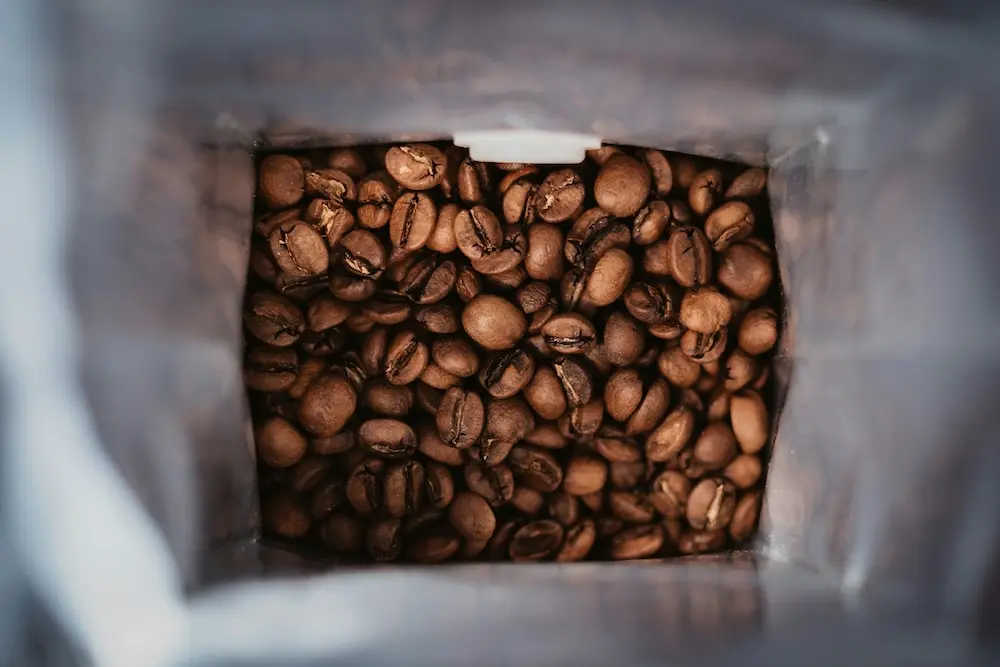
Grind size by brew method
- Automatic drip coffee maker: Medium (like coarse salt)
- Pour over (Chemex): Medium to medium-coarse
- Pour over (V60): Medium to medium-fine
- French press: Coarse (like coarse sea salt)
Tip
Always grind your beans right before brewing. Pre-ground coffee loses flavor after a few days. Freshly ground coffee tastes 3-5 times better than pre-ground coffee from the supermarket.

Read more about grind size in our complete guide to grinding coffee beans.
5. Filters and materials - what's the difference?
Filter choice affects taste. There are three main types: paper filters, metal filters, and cloth filters. Each type has advantages and disadvantages.
Paper filters
Advantages
- Clean, clear cups without sediment
- Filters oils away for lighter flavor
- Cheap and easy to replace
- No cleaning necessary
Disadvantages
- Single-use - less environmentally friendly
- Costs money over time
- Must be purchased regularly
Metal filters (gold filters)
Advantages
- Reusable - no waste
- Gives more body and oils in coffee
- Longer durability
- No recurring costs
Disadvantages
- Sediment in the cup
- Requires thorough cleaning
- More expensive to purchase
Cloth filters
Cloth filters are a middle ground between paper and metal. They give cleaner taste than metal, but more body than paper. They are reusable but require careful cleaning.
Good to know
Always rinse paper filters with hot water before use. This removes paper taste and preheats the filter so brew temperature remains stable.
What should you choose?
Choose paper filters if you prefer clean, clear taste and want to avoid sediment. Choose metal if you want more body and oils in your coffee, and if environmental considerations are important.
6. Brew methods - automatic vs. manual
There are two main approaches to filter coffee: automatic machines and manual methods. Both can make fantastic coffee if parameters are correct.
Automatic drip coffee maker
Automatic machines are easy and consistent. The best machines (like Moccamaster) deliver professional quality without hassle.
-
Fill water reservoir
Use clean, fresh water. Avoid hard water if possible, as it negatively affects flavor.
-
Insert filter
Place paper filter in the basket and rinse it with hot water.
-
Measure and grind coffee
Use 60g per liter of water. Grind beans to medium fineness.
-
Start brewing
Turn on the machine and wait 4-6 minutes for finished coffee.
-
Serve immediately
Serve coffee within 20 minutes. After that it loses flavor and becomes bitter on the hot plate.
Manual pour over (V60, Chemex)
Manual brewing gives full control over all parameters. It requires more time, but the result can be exceptional.
-
Prepare equipment
Place filter in the dripper, rinse with hot water, and discard rinse water.
-
Add coffee
Pour 15g freshly ground coffee into the filter (for 250ml water).
-
Bloom phase
Pour 30-40ml water over coffee and wait 30-45 seconds. Coffee will "bloom" and release CO2.
-
Pour in circles
Pour remaining water in a slow, steady stream in circular motions. Avoid hitting filter directly.
-
Wait for drawdown
Total brew time should be 2:30-3:30 minutes. Adjust grind size if it's too fast or slow.
Tip
Use a scale with timer for pour over. It gives precise control over water amount and brew time, which is key to consistency.
7. Tips for better filter coffee
Here are five concrete tips to elevate your filter coffee from good to excellent.
1. Use freshly roasted beans
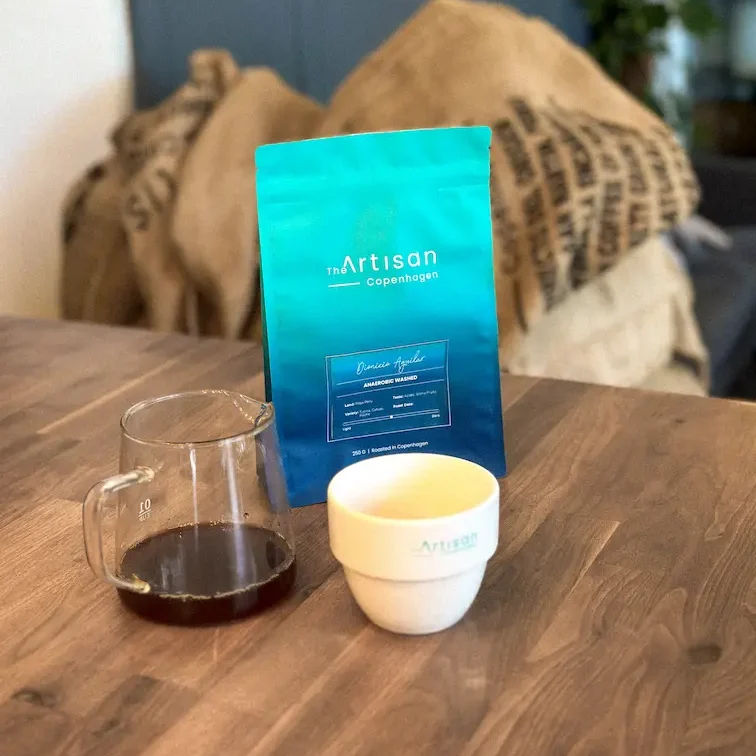
Coffee loses flavor 2-4 weeks after roasting. Buy beans from a local roastery that indicates roast date on the bag.

The Artisan
Specialty Coffee Roastery
"We roast coffee to order, so you always get beans with maximum freshness. Freshness is the difference between mediocre and exceptional filter coffee."
2. Use clean, fresh water
Coffee is 98% water. Water quality massively affects taste. Use filtered water if your tap water is hard or has chlorine taste.
3. Store beans correctly
Store coffee beans in an airtight container on the countertop. Avoid refrigerator or freezer, as moisture ruins flavor.
4. Clean machine regularly
Coffee machines accumulate coffee oil and scale over time. Descale every 3 months and clean basket after each use.
5. Experiment with coffee-water ratio
Start with the recommended 60g per liter, but adjust to taste. Some beans taste better with 55g, others with 65g.
8. Common mistakes - and how to avoid them
Even experienced coffee lovers make mistakes. Here are the most common problems and solutions.
Mistake 1: Coffee too old
Warning
Coffee from the supermarket is often several months old. This gives flat, uninteresting flavor. Solution: Buy freshly roasted coffee with roast date on the bag.
Mistake 2: Wrong grind size
Too fine grinding gives bitter, over-extracted taste. Too coarse grinding gives sour, weak flavor.
Solution: Adjust grind size gradually. If coffee tastes bitter, grind coarser. If it tastes sour or weak, grind finer.
Mistake 3: Too little coffee
Many use too little coffee and get thin, watery taste. The correct ratio is 60g per liter, not 40-50g as many think.
Solution: Always measure coffee with a scale. Use the dosing table from section 2.
Mistake 4: Forgetting to rinse filter
Unrinsed paper filter gives paper taste in coffee and cools brew water down.
Solution: Always rinse filter with hot water before brewing. It takes 10 seconds and makes a huge difference.
Mistake 5: Letting coffee sit too long
Coffee on a hot plate becomes bitter after 20-30 minutes. Thermal carafes keep heat better without burning coffee.
Solution: Only brew what you need immediately, or pour coffee into a thermal carafe.
Good to know
Filter coffee tastes best at 60-70°C. Too hot coffee burns tongue and hides nuances. Let coffee cool 2-3 minutes after brewing.
How many grams of coffee should be used for filter coffee?
The gold standard is 60 grams of coffee per liter of water, which equals approximately 10 grams per 170ml cup. This gives a ratio of 1:16.7 (coffee:water) and results in a balanced, great-tasting cup. You can adjust to 65-70g for stronger coffee or 50-55g for milder coffee.
What is the best water temperature for filter coffee?
The optimal water temperature is between 92-96°C. For light roasted beans, 93-94°C is recommended, while dark roasted beans work best at 95-96°C. Below 90°C gives under-extraction (sour taste), and above 97°C gives over-extraction (bitter taste).
Should you use paper filter or metal filter?
It depends on your preferences. Paper filters give clean, clear taste without sediment and filter oils away for a lighter cup. Metal filters (gold filters) are reusable, environmentally friendly, and give more body and oils in coffee, but leave some sediment. Both can make fantastic coffee.
How finely should coffee be ground for filter coffee?
Filter coffee requires medium to medium-fine grind size - approximately like coarse salt. Too fine grinding blocks filter and gives bitter taste, while too coarse grinding gives weak, underdeveloped flavor. Adjust grind size according to your specific machine and brew method.
How long does filter coffee stay fresh?
Brewed filter coffee tastes best within 20-30 minutes. After that, flavor begins to deteriorate, especially if coffee sits on a hot plate. Whole coffee beans stay fresh for 2-4 weeks after roasting. Ground coffee loses flavor after a few days.
Which drip coffee maker is best?
Moccamaster is considered the best drip coffee maker on the market. It reaches correct temperature (92-96°C), has optimal brew time, and is hand-built in Holland. Other good choices are Wilfa Precision and Technivorm. Read our guide to Moccamaster coffee makers.
Was this guide helpful?

Sources
- Specialty Coffee Association - Brewing Standards and Best Practices (2024)
- Coffee Research Institute - Optimal Extraction Temperatures for Filter Coffee
- Melitta - The History of Filter Coffee and Paper Filters
- Barista Hustle - Coffee Extraction and the Brewing Control Chart