
Arabica Coffee Beans
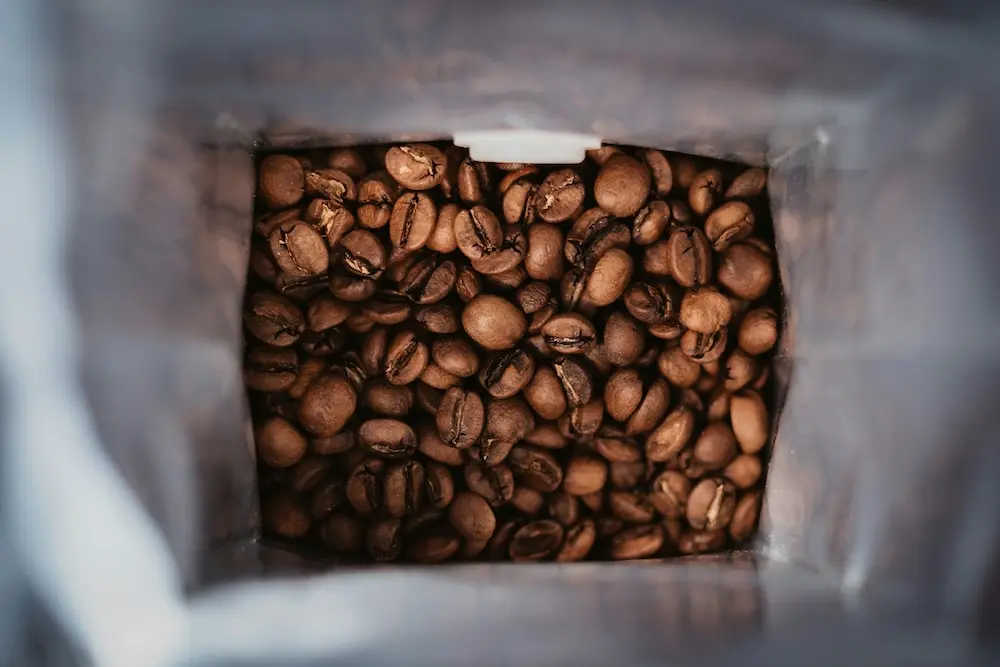
Freshly roasted coffee beans from the world's best growing regions. Mild, sweet flavor with complex fruit notes and smooth body.
Key Takeaways
- Arabica accounts for 60-70% of global coffee production and is considered the highest quality
- Mild and sweet flavor with notes of fruit, berries, and flowers – less bitter than robusta
- Grown at high altitudes (900-2,000 meters) in countries like Ethiopia, Peru, Colombia, and Brazil
- Contains 0.8-1.5% caffeine – half as much as robusta coffee beans
- The Artisan roasts only 100% arabica specialty coffee from single origin farms
Kaffe
Om kaffen
Pris
- Ristning: Light
- Ristning: Light
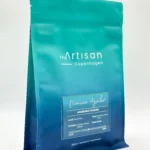
- Ristning: Dark, Light, Medium
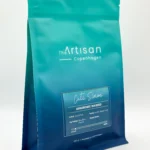
- Ristning: Dark, Light, Medium
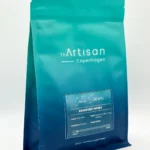
Original price was: kr. 165,00.kr. 155,00Current price is: kr. 155,00.
- Ristning: Dark, Light, Medium
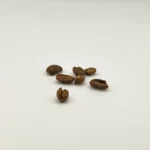
Coffee subscription
Coffee subscription: 2x 250g delivered right to your door step every month. Roast dates you will receive: Bag...
kr. 260,00 / month
- Ristning: Light
- Coffee subscription: 2x 250g delivered right to your door step every month. Roast dates you will receive: Bag 1: 12 days rest time Bag 2: 3 days rest time Free shipping!
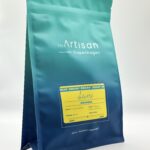
- Ristning: Dark, Light, Medium
What are arabica coffee beans?
Arabica (Coffea arabica) is the world's most popular coffee species.
It originates from the Ethiopian highlands and today accounts for approximately 60-70% of global coffee production.
The name comes from Arab traders who first spread coffee from Yemen to the rest of the world in the 1500s.
60-70%
Of world's coffee
900-2000m
Growing altitude
0.8-1.5%
Caffeine content
15-24°C
Optimal temperature
Arabica coffee plants are more sensitive than robusta.
They require specific climate conditions with stable temperatures between 15-24°C, evenly distributed rainfall, and partial shade.
This makes them more expensive to produce, but the flavor is more refined and complex.
Good to know
Arabica coffee plants can grow up to 4.5 meters tall but are typically pruned to 2-3 meters to facilitate harvesting. It takes 3-4 years before a plant produces its first harvest, and the beans mature over 7-9 months.
Arabica vs robusta – what's the difference?
The two primary coffee species are arabica and robusta (Coffea canephora).
The difference between them is significant and affects taste, price, and use.
| Characteristic | Arabica | Robusta |
|---|---|---|
| Flavor | Mild, sweet, fruity, complex | Strong, bitter, earthy |
| Caffeine content | 0.8-1.5% | 1.7-4% |
| Sugar content | High (6-9%) | Low (3-7%) |
| Fat content | 15-17% | 10-11.5% |
| Growing altitude | 900-2,000 meters | 0-900 meters |
| Resilience | Delicate, requires shade | Robust, tolerates sun |
| Price | More expensive | Cheaper |
| Bean shape | Oval, curved groove | Round, straight groove |
The higher sugar and fat content in arabica provides a smoother, rounder flavor.
Robusta is primarily used in espresso blends to create crema and add extra strength.
The Artisan uses exclusively 100% arabica from single origin farms.
Tip
If you prefer a mild, balanced coffee with fruit notes, choose 100% arabica. If you want a strong, bitter espresso with thick crema, an arabica-robusta blend might be a better choice.
Flavor and characteristics of arabica coffee
Arabica coffee beans are known for their complex flavor profile.
Flavor varies by origin, processing method, and roast, but common characteristics include:
-
Sweetness
Natural sweetness from high sugar content. Notes of caramel, chocolate, or honey.
-
Fruit notes
Fruity flavors like berries, citrus, stone fruit, or tropical fruits depending on origin.
-
Floral aroma
Delicate floral aromas like jasmine, lavender, or bergamot, especially from Ethiopian coffee.
-
Balanced acidity
Fresh, vibrant acidity that enlivens the coffee without being sharp or biting.
-
Smooth body
Medium to light body with silky, creamy mouthfeel.
Arabica from different regions has distinct characteristics.
Ethiopian coffee is often floral and tea-like.
Colombian coffee is balanced with nutty notes.
Peruvian coffee has clean, sweet flavor with chocolate undertones.
Where are arabica coffee beans grown?
Arabica coffee beans are primarily grown in the so-called coffee belt.
This stretches between the Tropic of Cancer and the Tropic of Capricorn, where the climate is optimal.
The main growing regions are:
| Region | Countries | Typical flavor profile |
|---|---|---|
| Latin America | Colombia, Peru, Brazil, Costa Rica, Guatemala | Balanced, nutty, chocolate, medium body |
| Africa | Ethiopia, Kenya, Rwanda, Burundi | Floral, fruity, complex acidity, light body |
| Asia | Indonesia, Yemen, India | Earthy, spicy, full body, low acidity |
The Artisan sources arabica primarily from Peru and Colombia.
We work directly with small-scale coffee farmers who grow coffee at high altitudes using sustainable methods.
This ensures traceability, quality, and fair prices for producers.
Good to know
The altitude where coffee is grown significantly affects the flavor profile. Coffee grown above 1,500 meters matures more slowly, resulting in higher bean density and more complex flavor notes.
Processing methods for arabica
After harvest, coffee cherries must be processed to remove the fruit and dry the beans.
The processing method has an enormous influence on the final flavor.
The three primary methods are:
-
Washed process
Fruit is mechanically removed before drying. Produces clean, clear flavor with prominent acidity and tea-like characteristics. Popular in Latin America and East Africa.
-
Natural process (Dry)
Cherries are dried intact in the sun. Fruit sugars penetrate the bean, giving sweeter, fruitier flavor with fuller body. Traditional method from Ethiopia and Brazil.
-
Honey process
Middle method where some fruit is preserved during drying. Balances the cleanness of washed and the sweetness of natural. Popular in Costa Rica and Peru.
The Artisan offers coffee processed with all three methods.
Our DA Washed from Peru has clean, balanced flavor.
CS Honey highlights natural sweetness and fruit notes.
Tip
Try the same coffee processed with different methods to experience how the process affects flavor. Start with washed coffee if you're new to specialty coffee – it's easier to adjust to.
Roasting arabica coffee beans
Roasting transforms green coffee beans into the brown, aromatic beans we know.
Arabica is typically roasted lighter than robusta to preserve delicate flavor notes.
The primary roast levels are:
Light
Filter & pour over
Medium
All-purpose
Dark
Espresso
Light roast highlights fruit, flowers, and acidity.
Medium roast balances fruit notes with caramel and nuts.
Dark roast develops chocolate, tobacco, and roast marks, but reduces origin characteristics.
The Artisan roasts primarily light-medium to highlight the beans' natural flavor notes.
We roast to order in small batches of maximum 12 kg at a time.
This ensures consistency and maximum freshness.
How to brew arabica coffee
Arabica coffee beans are versatile and work well for all brewing methods.
Choose method based on desired flavor profile:
| Method | Grind size | Ratio | Result |
|---|---|---|---|
| Espresso | Fine | 1:2 | Concentrated, intense, creamy |
| Pour Over | Medium-fine | 1:15-16 | Clear, clean, highlights nuances |
| Aeropress | Medium | 1:14-15 | Clean, smooth, no bitterness |
| French Press | Coarse | 1:12-15 | Full body, oily texture |
Water temperature should be between 92-96°C for optimal extraction.
Too low will result in sour, under-extracted coffee.
Too high will extract bitter compounds.
Tip
Always use freshly roasted beans within 2-6 weeks of roasting. Grind immediately before brewing for maximum aroma. Store beans in an airtight container away from light and heat.
Storing arabica coffee beans
Proper storage is crucial for preserving freshness and flavor.
Coffee beans are sensitive to four factors:
-
Oxygen
Oxidation breaks down aroma compounds. Always store in airtight container.
-
Light
UV rays accelerate degradation. Use opaque container or store in cupboard.
-
Heat
High temperatures speed up deterioration. Avoid storage near stove or windows.
-
Moisture
Moisture penetrates beans and creates mold. Keep beans dry.
The ideal storage method is an airtight container in a cool, dark cupboard.
Do not freeze coffee beans – it damages cell structure and creates condensation.
Only buy the amount of coffee you can use within 3-4 weeks.
Warning
Never store coffee beans in the refrigerator. Moisture and odors from other foods will ruin the flavor. The original bag with one-way valve is actually a good storage solution if you use the coffee within 2 weeks.
Health benefits of arabica
Arabica coffee contains various bioactive compounds with health benefits.
Research shows correlation between moderate coffee consumption and:
20-30%
Lower risk of type 2 diabetes
15%
Lower risk of heart disease
High
Antioxidant source
Arabica contains less caffeine than robusta.
This makes it suitable for people who are sensitive to caffeine.
A cup of arabica filter coffee typically contains 80-100mg caffeine versus 140-200mg in robusta.
The higher chlorogenic acid content in arabica has antioxidant and anti-inflammatory properties.
Good to know
Moderate coffee consumption is defined as 3-5 cups daily (300-400mg caffeine). Excessive intake can lead to nervousness, sleep problems, and increased heart rate. Pregnant women should limit intake to maximum 200mg daily.
Sustainability and certifications
Sustainable coffee cultivation is crucial for the future of arabica production.
Climate change threatens arabica coffee plants, which require specific temperatures and rainfall.
Important certifications include:
-
Organic
Grown without synthetic pesticides or chemical fertilizers. Better for the environment and workers' health.
-
Fair Trade
Guarantees farmers a minimum price and investments in local development.
-
Rainforest Alliance
Focus on forest conservation, biodiversity, and workers' rights.
-
Direct Trade
Direct trade between roaster and farmer without intermediaries. Typically higher prices than Fair Trade.
The Artisan practices direct trade with all our coffee farmers.
We visit farms personally and build long-term relationships.
This ensures traceability, quality, and fair compensation for producers.
Our coffee is also shade-grown, meaning it's cultivated under native forest.
This preserves biodiversity and reduces the need for chemical fertilizers.
Frequently asked questions about arabica coffee
Is arabica better than robusta?
Arabica is generally considered to have higher quality due to its more complex and nuanced flavor. It contains less caffeine, more sugar and fat, which gives a smoother, sweeter taste compared to robusta's bitter, sharp profile. But "better" depends on preference – some prefer robusta's strength in espresso blends. The Artisan focuses exclusively on 100% arabica specialty coffee.
How much caffeine is in arabica coffee?
Arabica coffee beans contain 0.8-1.5% caffeine, which is approximately half of robusta's 1.7-4%. A cup of filter coffee made with arabica typically contains 80-100mg caffeine, while an espresso shot contains 60-80mg. The lower caffeine content makes arabica suitable for people who are sensitive to caffeine.
What does arabica coffee taste like?
Arabica typically has a mild, sweet flavor with complex notes of fruit (berries, citrus, stone fruit), flowers, and chocolate or nuts. Flavor varies by origin – Ethiopian coffee is often floral and tea-like, while Colombian is balanced with nuts and caramel. Arabica has medium to light body and balanced acidity.
Where are the best arabica coffee beans grown?
Arabica is grown in the coffee belt between the tropics. Classic regions include Ethiopia (coffee's origin with complex, floral flavor), Colombia (balanced, nutty), Peru (clean, chocolate notes), Kenya (fruity, wine-like acidity), and Guatemala (full-bodied, chocolate). The Artisan sources primarily from Peru and Colombia where we have direct relationships with small-scale farmers.
Can I use arabica for espresso?
Yes, arabica is excellent for espresso. Many specialty coffee shops use 100% arabica in their espresso to highlight fruit notes and complexity. Traditional Italian blends often combine arabica with robusta for extra crema and bitterness. Choose medium-dark roasted arabica for espresso and use a fine grind size.
How do I store arabica coffee beans properly?
Store whole beans in an airtight container away from light, heat, and moisture. Avoid freezing or refrigerating coffee beans. Only buy the amount you can use within 3-4 weeks after roasting for optimal freshness. Grind immediately before brewing. The Artisan's coffee bags have one-way valves that release CO2 but keep oxygen out – they can be used for storage up to 2 weeks.
Is arabica coffee organic?
Not automatically – arabica is the name of the coffee species, not a cultivation method. Arabica can be grown both conventionally and organically. The Artisan works with small-scale farmers who use natural, sustainable methods even though not all have formal organic certification. Our coffee is shade-grown and cultivated without synthetic pesticides.
What does 100% arabica mean on the coffee bag?
100% arabica means the coffee consists exclusively of arabica beans without blending with robusta or other coffee species. It's a quality indicator, but doesn't guarantee high quality – arabica varies enormously in quality from commodity grade to specialty grade. The Artisan uses only specialty grade arabica scored 80+ points on the SCA scale.