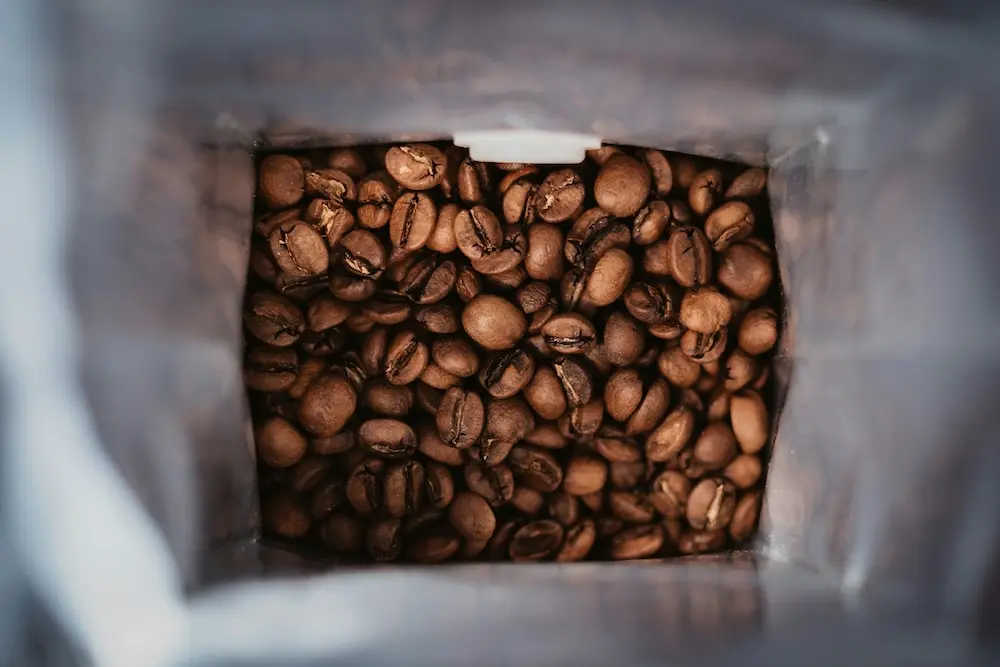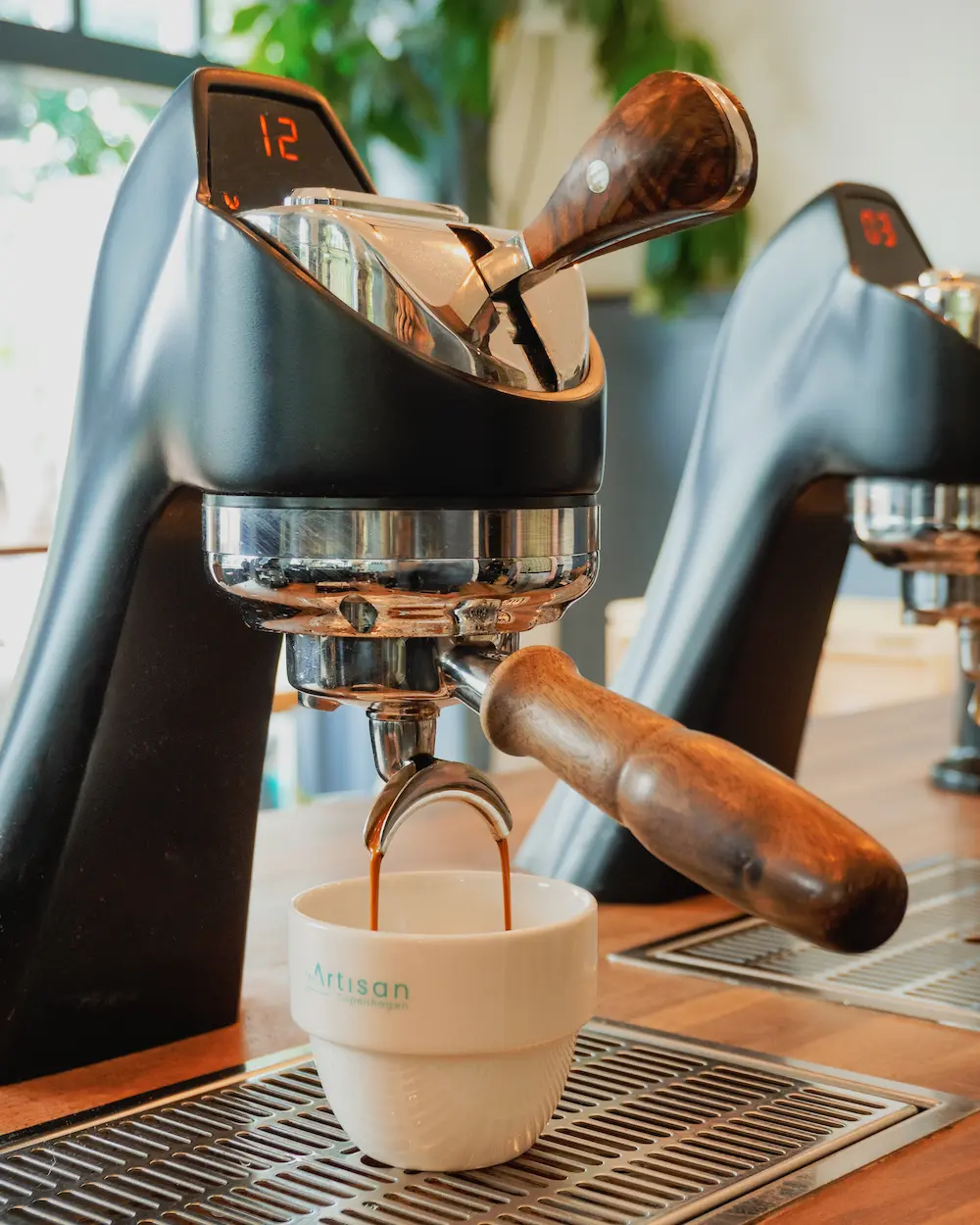

Whole Coffee Beans
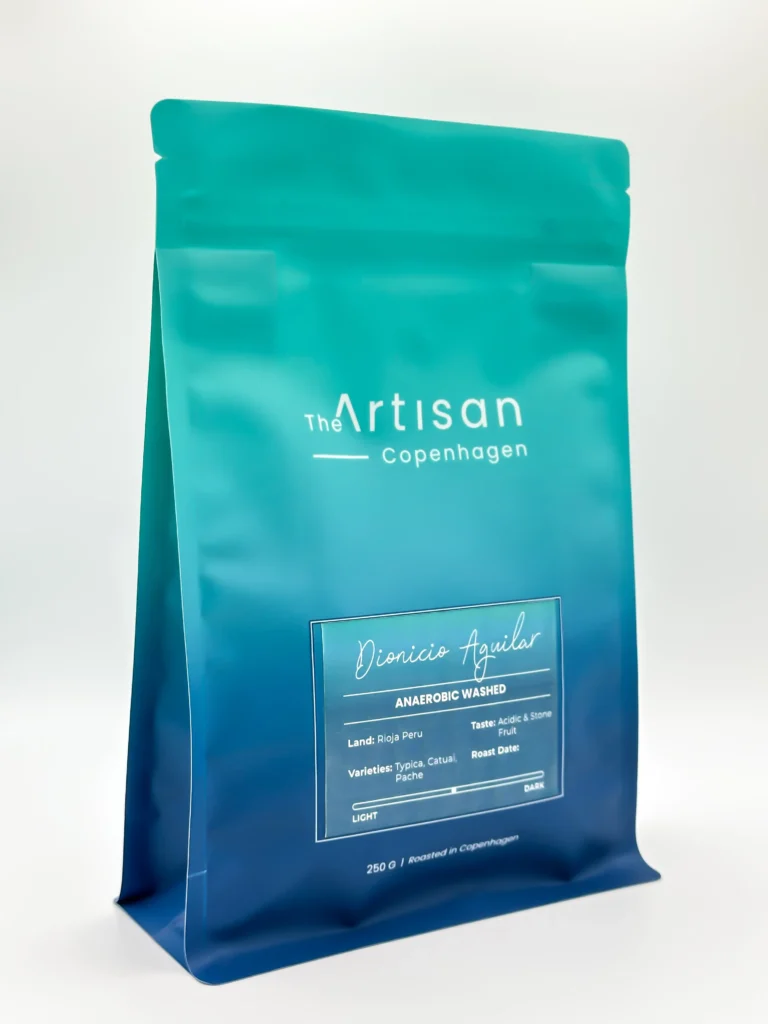
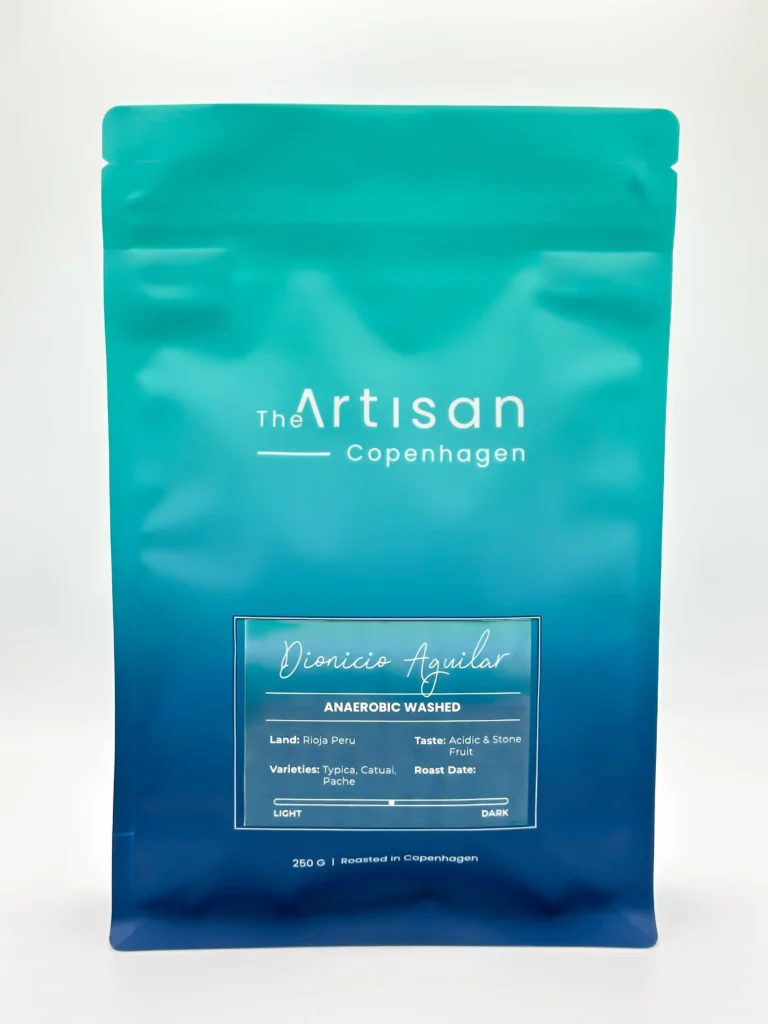
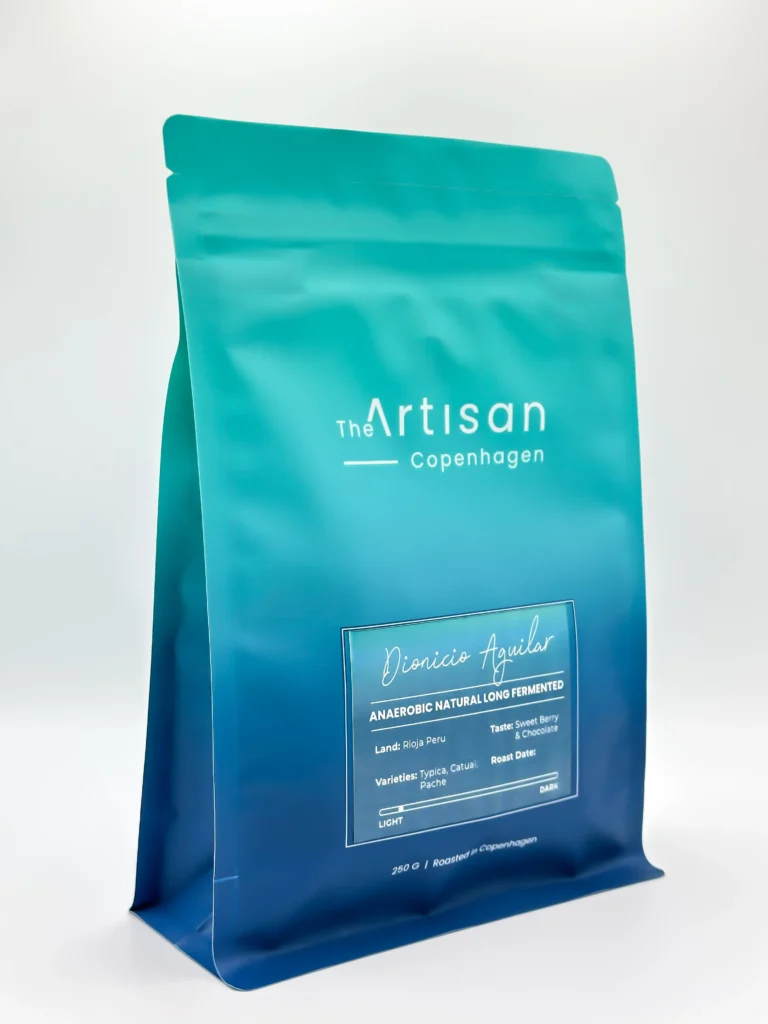
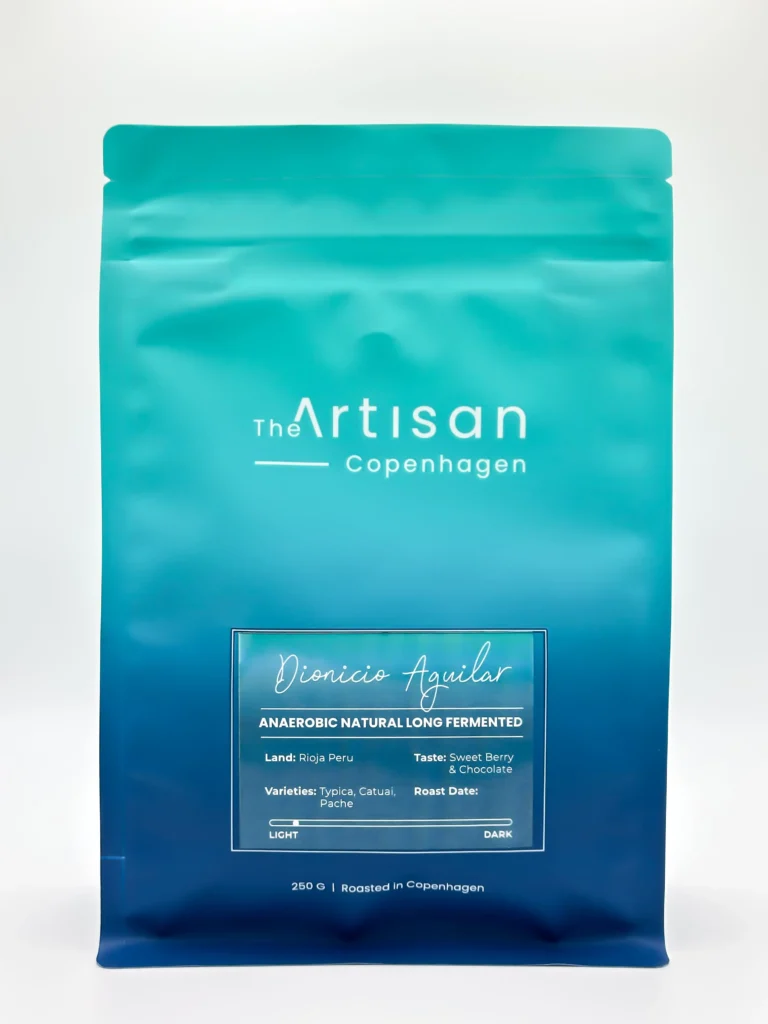
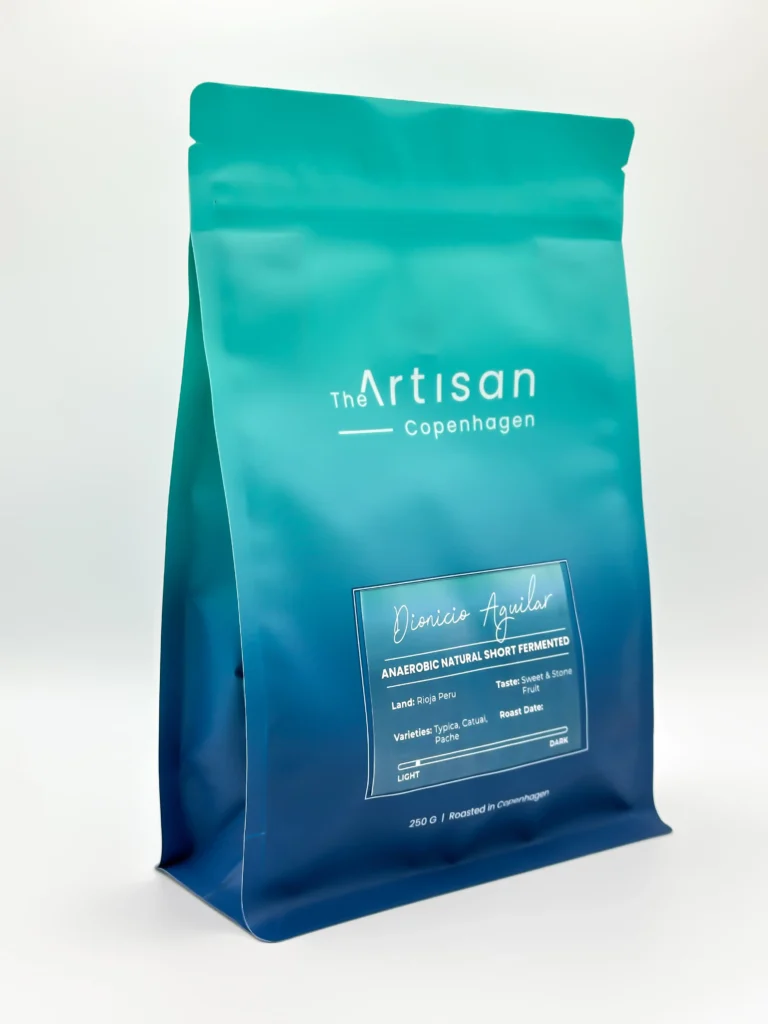
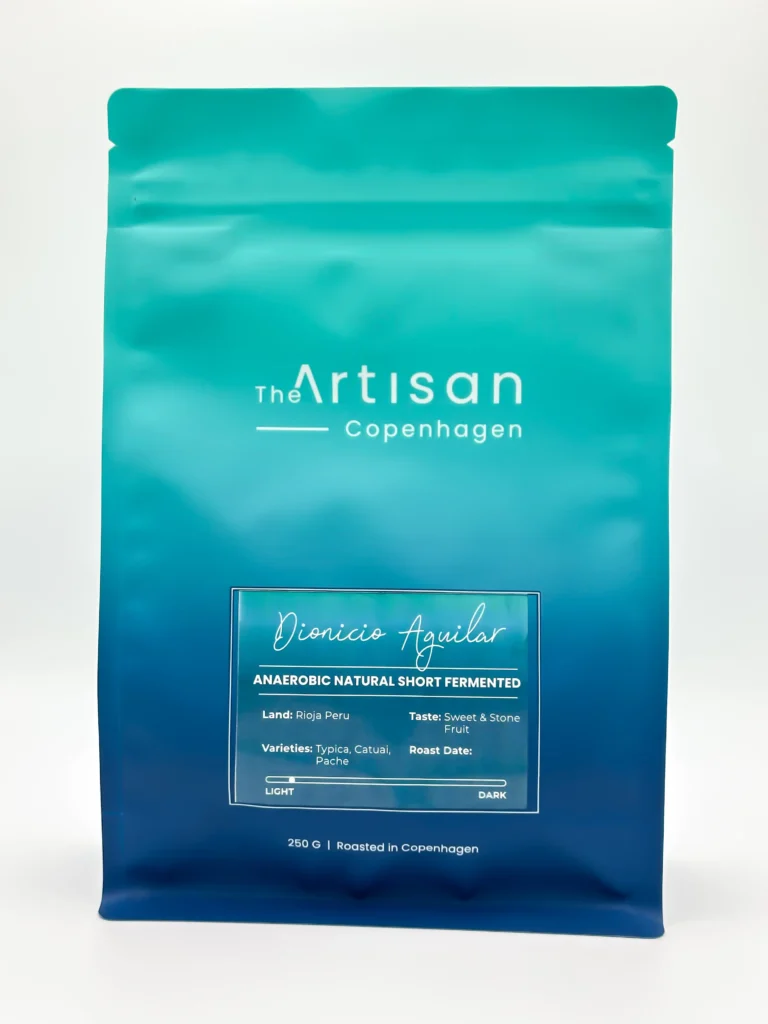
Freshly roasted coffee beans for every taste and brewing method. Roasted to order in Copenhagen.
Key Takeaways
- Whole beans preserve freshness and aroma better than pre-ground coffee
- Choose light roasts for filter coffee and pour over
- Dark roasts work best for espresso and milk-based drinks
- Store beans in an airtight container in a cool, dry place
- Grind just before brewing for maximum flavor
Ingen produkter fundet.
Why choose whole beans?
Whole coffee beans maintain flavor and aroma longer than pre-ground coffee. When you buy beans and grind them yourself, you get a fresher cup.
Ground coffee loses its aromas quickly. Within 30 minutes, the volatile flavor and aroma compounds begin to disappear. Whole beans preserve their taste for weeks when stored correctly.
A coffee grinder also gives you control over grind size. Espresso requires fine grinding, pour over medium-fine, and French Press coarse. When you buy pre-ground coffee, you're limited to one grind size.
Tip
Invest in a burr grinder instead of a blade grinder. Burr grinders produce more consistent particle size and deliver better extraction. This results in a cup of coffee with more balance and clarity.
How to store whole beans
Store your coffee beans correctly to preserve freshness.
-
Use an airtight container
Oxygen is coffee's worst enemy. Store beans in a container with a tight lid. Avoid transparent containers, as light also degrades flavor.
-
Keep them away from heat
Never store coffee near the stove or in direct sunlight. Room temperature or cooler is ideal. The freezer can be used for long-term storage, but only if beans are vacuum-sealed.
-
Avoid moisture
Moisture spoils coffee beans. Keep them away from the refrigerator unless vacuum-packed. Condensation can ruin the flavor.
-
Buy smaller quantities
Only buy as much coffee as you'll use within 2-3 weeks. Freshness is more important than stockpiling. With our coffee subscription you get freshly roasted beans delivered on your schedule.
Light vs dark roasts
Roast level significantly affects flavor. Light and dark roasts suit different brewing methods.
| Characteristic | Light Roast | Dark Roast |
|---|---|---|
| Flavor | Fruity, acidic, floral | Chocolate, caramel, nuts |
| Caffeine content | Slightly higher | Slightly lower |
| Brewing method | Pour over, V60, Chemex | Espresso, milk drinks, French Press |
| Acidity | High | Low |
| Body | Light to medium | Medium to full |
Light roasts highlight the coffee's original flavor. You can clearly taste the difference between an Ethiopian and a Colombian coffee.
Dark roasts produce a more uniform flavor. The roasting process dominates, and caramelization creates sweetness and body. Dark roasts work well in milk-based drinks like lattes and cappuccinos.
Single-origin vs blends
Single-origin coffee comes from one farm, region, or country. Blends mix beans from multiple origins.
Single-origin coffee gives you a pure experience of a specific terroir. The flavor reflects altitude, soil, climate, and processing. If you want to explore coffee's nuances, single-origin is the way.
Blends create balance and complexity. A roaster can combine a light Ethiopian coffee with a heavier Brazilian to get both fruit and chocolate in the same cup. Blends are often more forgiving and easier to brew.
Good to know
Espresso blends are specially designed for espresso machines. They typically contain beans with low acidity and high body, so they work well with milk. Single-origin espresso can taste fantastic but requires more precise brewing.

Washed vs natural beans
Processing affects flavor more than you think. Washed and natural beans taste fundamentally different.
W
Washed
After harvesting, the coffee cherry's fruit layer is mechanically removed. Beans are washed and fermented in water before drying.
- Coffee cherries are harvested and sorted
- Fruit layer is mechanically removed (depulping)
- Beans ferment in water for 12-48 hours
- Beans are washed and dried
Flavor: Clean, clear, light acidity, floral notes
N
Natural (Dry)
The entire coffee cherry is dried with the fruit flesh intact. The bean ferments inside the cherry during drying.
- Coffee cherries are harvested and sorted
- Whole cherries are spread out to dry in the sun
- Cherries are turned regularly for 3-4 weeks
- Dried fruit layer is mechanically removed
Flavor: Fruity, sweet, wine-like, complex body
Washed beans highlight the coffee's terroir. You taste altitude, soil, and climate more clearly. This process is standard for specialty coffee from Central America and Kenya.
Natural beans gain more fruitiness and complexity. The flavor can resemble berries, tropical fruit, or wine. Ethiopia and Brazil produce many natural coffees.
How to choose grind size
Grind size must match your brewing method. Wrong grinding gives poor extraction.
| Brewing Method | Grind Size | Contact Time |
|---|---|---|
| Espresso | Extra fine (like powder) | 25-30 seconds |
| Aeropress | Fine to medium | 1-2 minutes |
| Pour over (V60, Chemex) | Medium (like fine salt) | 2.5-4 minutes |
| French Press | Coarse (like breadcrumbs) | 4 minutes |
| Cold brew | Extra coarse | 12-24 hours |
Too fine grinding causes over-extraction. The coffee becomes bitter and heavy. Too coarse grinding causes under-extraction. The coffee becomes sour and thin.
Adjust grind size if the coffee doesn't taste right. If your French Press tastes bitter, grind coarser. If your espresso runs too fast and tastes sour, grind finer. Invest in a good grinder for consistent results.
Frequently asked questions about whole beans
How long do whole coffee beans last?
Whole coffee beans maintain their best flavor for 2-4 weeks after roasting when stored correctly in an airtight container away from light and heat. After this period, they gradually lose aroma but remain drinkable for up to 2-3 months. Ground coffee loses flavor much faster – aromas begin to disappear within 30 minutes.
Should I buy light or dark roasts?
It depends on your brewing method and taste preference. Light roasts suit filter coffee, pour over, and V60, and highlight fruitiness and acidity. Dark roasts work best for espresso, milk drinks, and French Press, and deliver chocolate, caramel, and low acidity. Try both and find your favorite.
What's the difference between single-origin and blend?
Single-origin coffee comes from one farm or region and provides a pure taste experience of that specific terroir. Blends mix beans from multiple origins to create balance and complexity. Single-origin is best for exploring nuances, while blends are often easier to brew and more forgiving.
How do I store coffee beans best?
Store beans in an airtight container at room temperature, away from light, heat, and moisture. Avoid transparent containers and storage near the stove. The freezer can be used for long-term storage, but only if beans are vacuum-sealed. Buy smaller quantities and use within 2-3 weeks for maximum freshness.
Which grind size should I use?
Grind size must match your brewing method. Espresso requires extra fine grinding, pour over medium, and French Press coarse. Wrong grinding gives poor extraction – too fine produces bitter taste, too coarse produces sour taste. Invest in a burr grinder for consistent particle size.
Are decaf whole beans as good as regular?
Yes, if processed correctly. The Swiss Water method removes caffeine without chemicals and preserves flavor best. Decaf coffee can taste fantastic but often requires a darker roast to compensate for lost body. Our Chevere Decaf Coffee is a good example of well-made decaf coffee.